
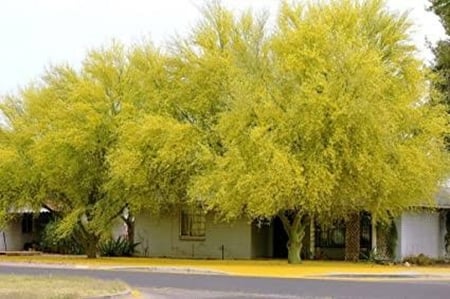
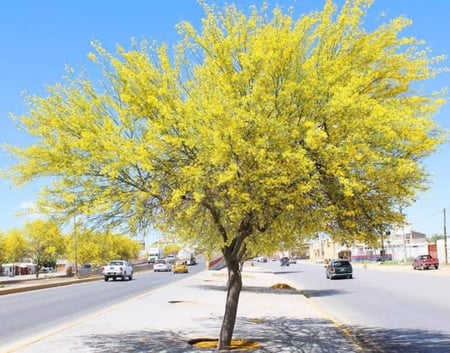
بذور شجرة باركنسونيا ( Parkinsonia aculeata )
7 ر.س
 #966558204932
- الإسم الشائع : شجرة باركنس، الباركنسونيا.
- الإسم العلمي : Parkinsonia aculeata
50 يذره
يعرف هذا النبات باسم العصا الأخضر المكسيكي أو شوك القدس، وهو شجرة صغيرة سريعة النمو وموطنها الأصلي الجنوب الغربي للولايات المتحدة الأمريكية والمكسيك. وقد كان من أوائل النباتات المدخلة بوصفه نبات زينة في المملكة العربية السعودية.
الشجرة مستديرة الشكل وذات منظر جميل، وعادة ما تكون متعددة الجذوع وذات لحاء أخضر وأفرع متدلية وأغصان نحيلة، ويمكن أن يصل ارتفاعها إلى 8 أمتار وعرض تاجها إلى نحو 5 أمتار.
الأوراق قصيرة العمر في الظروف الصحراوية، ولكن عندما تصبح الشجرة عارية من أوراقها تظل أعناق الأوراق كإبر حريرية. والأوراق محاطة بصفين من الوريقات ما بني 25-30 وريقة صغيرة بيضية الشكل، وخلال فترة الجفاف تسقط الشجرة أوراقها.
تظهر على الأغصان أشواك حادة يصل طولها إلى 5-7 مم. ويضفي تفتح الأزهار المتقطع وعناقيد الأزهار زكية الرائحة، وذات اللون البرتقالي المحمر جمالًا أخاذاً في فصل الربيع. وتتلو مرحلة الإزهار ظهور الثمار على هيئة قرون نحيلة يصل طولها إلى نحو 15 سم.
- يفضل النبات النمو في تربة رملية وقلوية وطمية جيدة الصرف، وعند زراعتها في الأماكن المكشوفة المعرضة لضوء الشمس، تحتاج إلى الري حتى يكتمل تأسيسها.
- تعد هذه الشجرة من الأشجار القوية جداً وتتحمل الصقيع والرياح والملوحة والجفاف.
- يتم التكاثر بالبذور. وهي عرضة للإصابة بالعناكب الحمراء والبق الدقيقي.
- سجلت بعض الدول أشجار الباركنسونيا بوصفها إحدى النباتات الغازية، وهي تعد الآن مشكلة كبيرة في أستراليا. والباركنسونيا شجرة مرغوبة في عمليات التشجير التنسيقي فشكلها الجميل يجعلها مناسبة في الأحياء السكنية وبوصفها شجرة ظل محدود.
- وهي أيضاً مناسبة لتزيين الشوارع وبوصفه ستاراً نباتياً عازلا.
- تحتاج إلى عناية محدودة، ربما تقتصر على إزالة مخلفاتها النباتية. والتقليم ضروري للحصول على الشكل المناسب.
Known as the Mexican green stick or Jerusalem thistle, this plant is a small fast-growing tree native to the southwestern United States of America and Mexico. It was one of the first plants to be introduced as an ornamental plant in the Kingdom of Saudi Arabia, and this tree is round in shape and has a beautiful view, and is usually multi-stemmed with green bark, drooping branches and slender branches, and can reach a height of 8 meters and the width of its crown to about 5 meters. The leaves are short-lived in desert conditions, but when the tree becomes bare, the petioles remain as silk needles. The leaves are surrounded by two rows of leaves, ranging from 25-30 small oval leaves, and during the drought period the tree sheds its leaves. The branches have sharp spines, up to 5-7 mm long. Sporadic blooming and fragrant clusters of flowers of reddish-orange add to the springtime beauty. The flowering stage is followed by the emergence of fruits in the form of slender pods, up to 15 cm long. The plant prefers to grow in sandy, alkaline and clay soil with good drainage, and when planted in open places exposed to sunlight, it needs irrigation until it is complete. This tree is very strong and tolerates frost, wind, salt and drought. Reproduction is done by seeds. It is susceptible to red spiders and mealybugs. Some countries have registered Parkinsonia trees as an invasive plant, and it is now considered a major problem in Australia. Parkinsonia is a desirable tree in landscaping operations, as its beautiful shape makes it suitable in residential neighborhoods and as a tree of limited shade. It is also suitable for street decoration and as a vegetable screening. And it needs limited care, which may be limited to removing its plant residues. Pruning is essential to get the right shape.

متجر إلكتروني متخصص في بيع جميع انواع البذور والمستلزمات الزراعية